Sacco Members Savings Are Safe: Strengthening Public Confidence In Kenyas Cooperative Movement
By Admin Monday, 6th July 2026
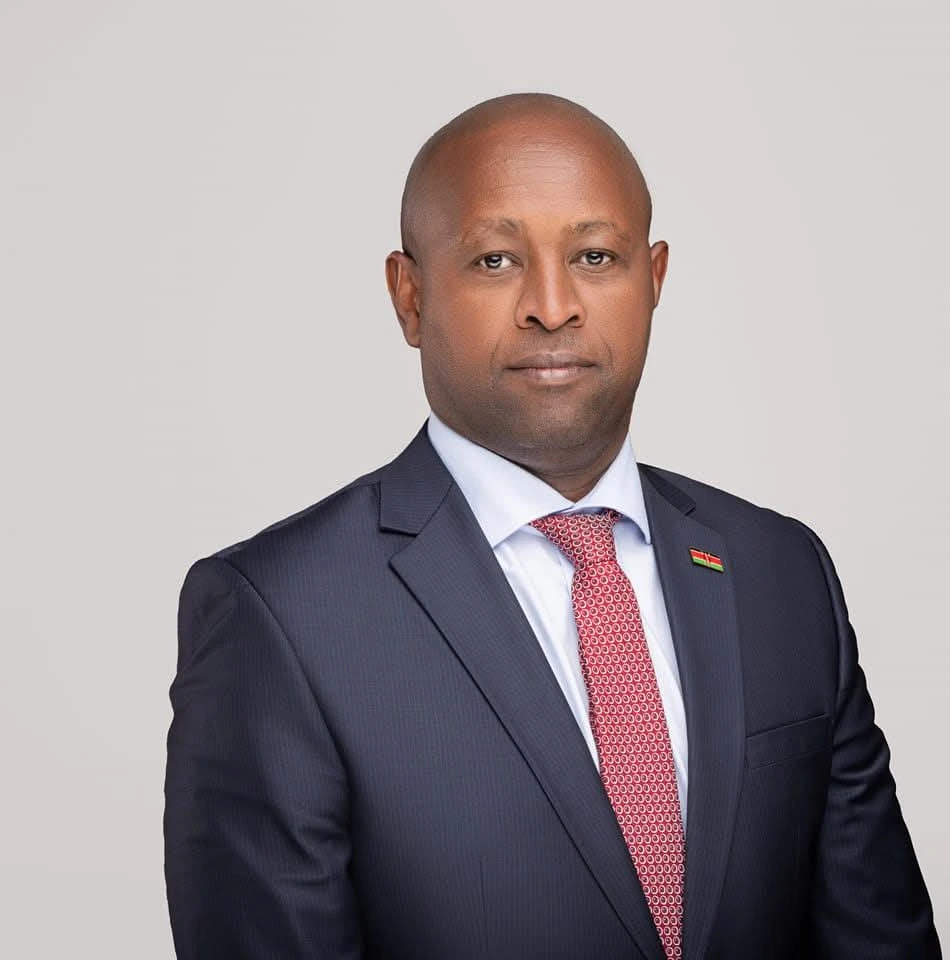
Photo courtesy: Photo courtesy
Recent reports suggesting that savings belonging to members of Savings and Credit Cooperative Societies (SACCOs) could be used to finance public infrastructure projects have caused concern among many Kenyans. Such claims have understandably raised questions among cooperative members who have entrusted their hard-earned savings to their SACCOs.
To address these concerns, the Principal Secretary for Cooperatives, Mr. Patrick Kilemi, has reaffirmed that SACCO deposits remain secure and are not accessible to the Government. His clarification provides much-needed assurance to millions of cooperative members across the country and reinforces the importance of accurate reporting on matters affecting the cooperative sector.
Understanding How SACCO Savings Are Managed
A SACCO is a member-owned financial cooperative established to mobilize savings and provide affordable credit and other financial services to its members. Unlike commercial banks, SACCOs are owned and governed by the very members who save and borrow within them.
Every shilling deposited into a SACCO belongs to its members collectively through their cooperative society. These funds are managed by elected boards of directors and professional management teams in accordance with the Cooperative Societies Act, SACCO regulations, the society's by-laws, and decisions made during members' Annual General Meetings.
This governance framework ensures that members remain at the center of every financial decision made within their SACCO.
Government Has No Access to SACCO Deposits
The Government has categorically stated that it neither has access to SACCO members' deposits nor any intention of utilizing those funds for public infrastructure projects or any other government expenditure.
The Principal Secretary emphasized that SACCO deposits remain the property of the respective SACCOs. Decisions regarding investments, lending, liquidity management, and other financial activities are made by the leadership elected by members and within the legal framework governing cooperative societies.
This clarification should reassure members that their savings continue to serve the objectives for which they were deposited—supporting member loans, strengthening the financial position of the SACCO, and promoting the welfare of members.
Why Public Confidence Matters
Confidence is one of the greatest assets of any financial institution. The cooperative movement thrives because members trust their societies to safeguard their savings while providing affordable financial services.
Unverified or misleading reports can create unnecessary anxiety among members, potentially leading to panic withdrawals or reduced savings. Such reactions may negatively affect individual SACCOs even when there is no factual basis for concern.
Maintaining public confidence is therefore essential not only for individual SACCOs but also for the stability and continued growth of Kenya's cooperative sector.
The Cooperative Movement's Contribution to Kenya's Economy
Kenya's cooperative movement is widely recognized as one of the strongest in Africa. Millions of Kenyans depend on cooperatives for savings, affordable credit, agricultural marketing, housing, insurance, investment opportunities, and income generation.
SACCOs, in particular, have played a significant role in promoting financial inclusion by providing services to people who may otherwise have limited access to conventional banking.
Through regular savings and responsible lending, SACCOs enable members to invest in education, housing, agriculture, business expansion, healthcare, and other life-changing opportunities. They also contribute significantly to employment creation and local economic development.
The continued growth of the cooperative movement demonstrates the confidence that members have placed in their institutions over many decades.
The Importance of Responsible Reporting
The Principal Secretary has called upon the media to uphold the highest standards of accuracy, fairness, and professionalism when reporting on issues affecting the cooperative sector.
The media plays a vital role in informing the public and promoting accountability. However, because reports concerning financial institutions can influence public behaviour, it is essential that information is verified before publication.
Balanced and factual reporting helps protect public confidence while ensuring that citizens receive accurate information upon which to make informed decisions.
Responsible journalism benefits everyone—members, SACCOs, regulators, policymakers, and the broader economy.
What SACCO Members Should Do
Members who encounter reports concerning their SACCO or the wider cooperative sector should seek information from credible sources before drawing conclusions.
Reliable sources include:
- Official communication from their SACCO.
- Statements issued by the Ministry responsible for Cooperatives.
- Communications from the SACCO Societies Regulatory Authority (SASRA), where applicable.
- Information released by recognized cooperative organizations.
Seeking clarification directly from trusted institutions helps prevent the spread of misinformation and unnecessary alarm.
A Shared Responsibility to Protect the Cooperative Sector
Protecting the integrity of Kenya's cooperative movement is a shared responsibility. Government institutions, regulators, cooperative leaders, the media, and members all have important roles to play in preserving public trust.
Cooperative leaders must continue exercising transparency, accountability, and prudent financial management. Members should actively participate in governance by attending Annual General Meetings, electing competent leaders, and seeking accurate information whenever questions arise.
Similarly, stakeholders should promote factual communication that strengthens rather than weakens confidence in the cooperative sector.
Looking Ahead with Confidence
The Government's clarification that SACCO deposits remain under the control of individual SACCOs provides important reassurance to millions of Kenyan cooperative members.
The cooperative movement continues to be a cornerstone of Kenya's socio-economic development, empowering individuals, families, and communities through collective action and financial inclusion.
As the sector continues to grow, maintaining transparency, good governance, responsible journalism, and informed membership will remain essential. When members have confidence that their savings are secure and properly managed, cooperatives can continue fulfilling their mission of improving livelihoods and driving inclusive economic growth.
The message is clear: SACCO members' savings remain safe, belong to their respective cooperative societies, and continue to be managed by the leadership elected by members. Preserving this confidence will ensure that Kenya's cooperative movement remains strong, resilient, and capable of contributing meaningfully to the nation's economic transformation for generations to come.